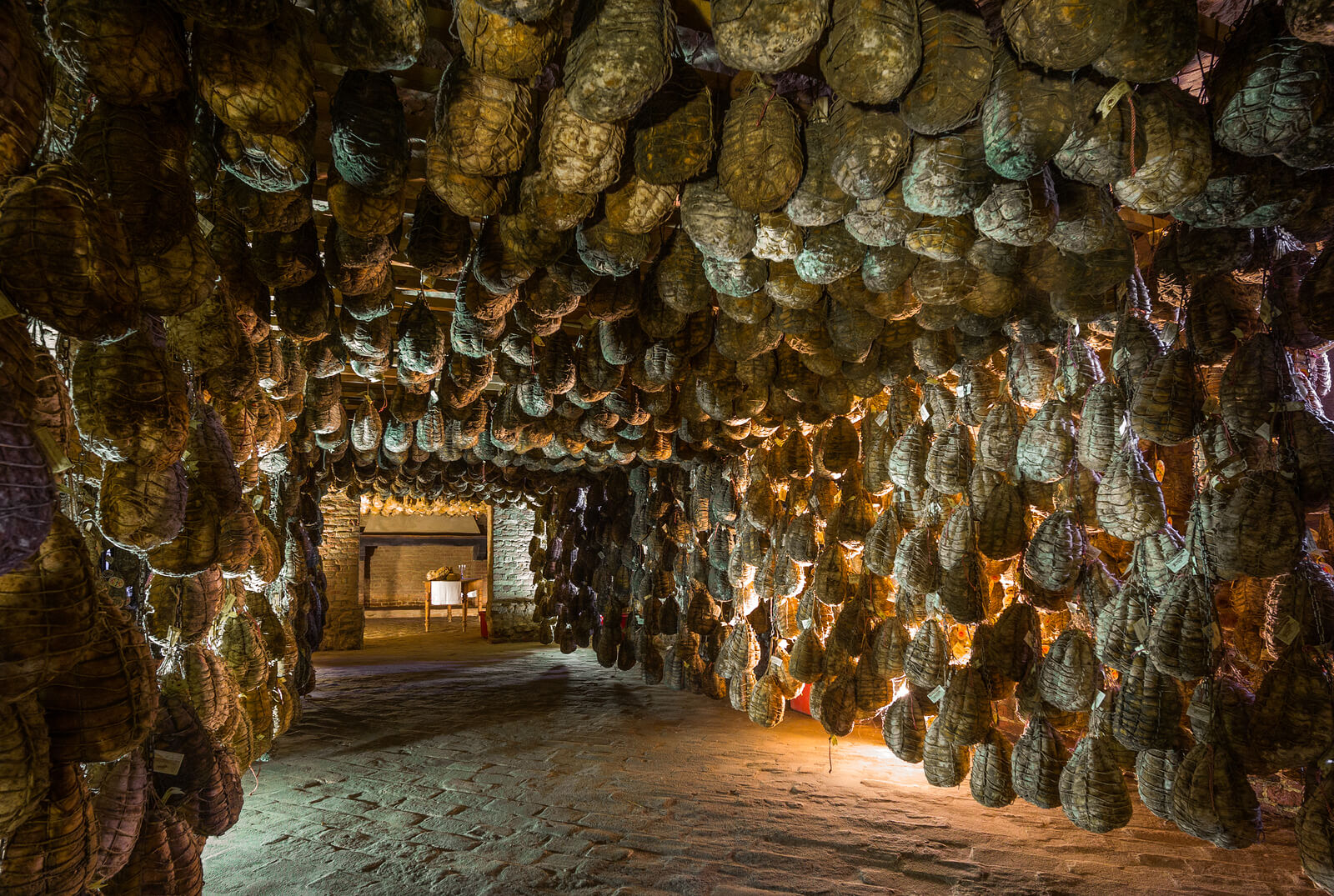
Three days in the valley of the Po with three-Michelin-star chef Jacob Jan Boerma. Into the culatello cellars, to a table cooked by four hands, and behind doors that are rarely opened.
Between Parma and the river Po lies the ground that gave the world Parmigiano Reggiano and culatello. Most travellers taste the results. This journey goes to the rooms where they are made, in the company of a chef who is welcomed in all of them.
We fly in by Pilatus PC-12, which puts us on the ground close to where we are going and turns a travel day into a morning. What follows is three days of cellars, tables and workshops, most of which are not open to the public at all.
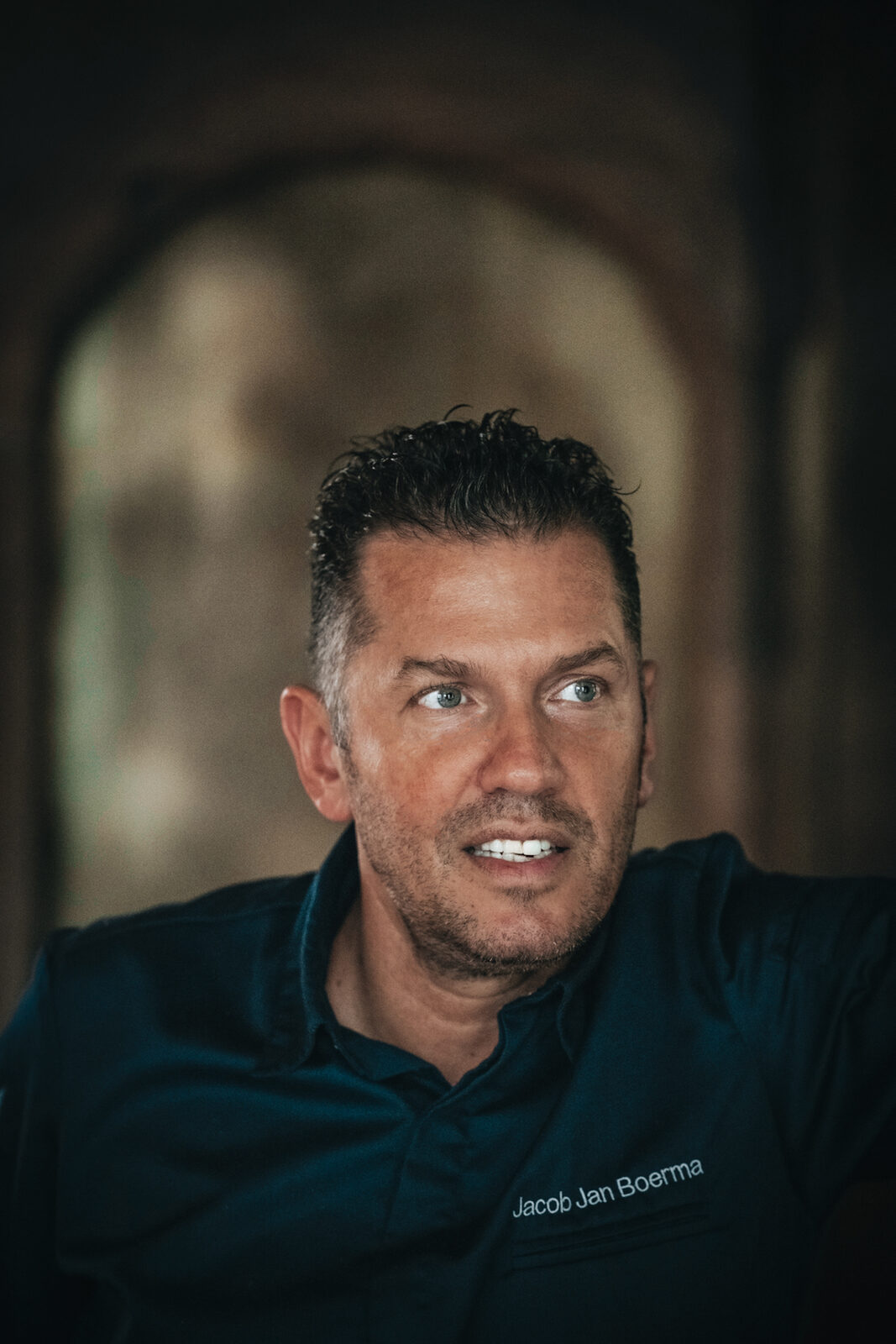
Jacob Jan Boerma travels with the group throughout. Not as a name on a programme, but at the table and in the kitchen.
A small group, one aircraft, and a route built around the people who make the food rather than the places that serve it.
We leave together by private aircraft and land close to the valley, so the day begins where the journey is rather than in a terminal.
A river fog settles in this bend of the Po and has done for centuries. It is the reason culatello is aged here and nowhere else. We go down into the vaults where the hams hang, and hear how a cellar is read by smell and touch rather than by calendar.
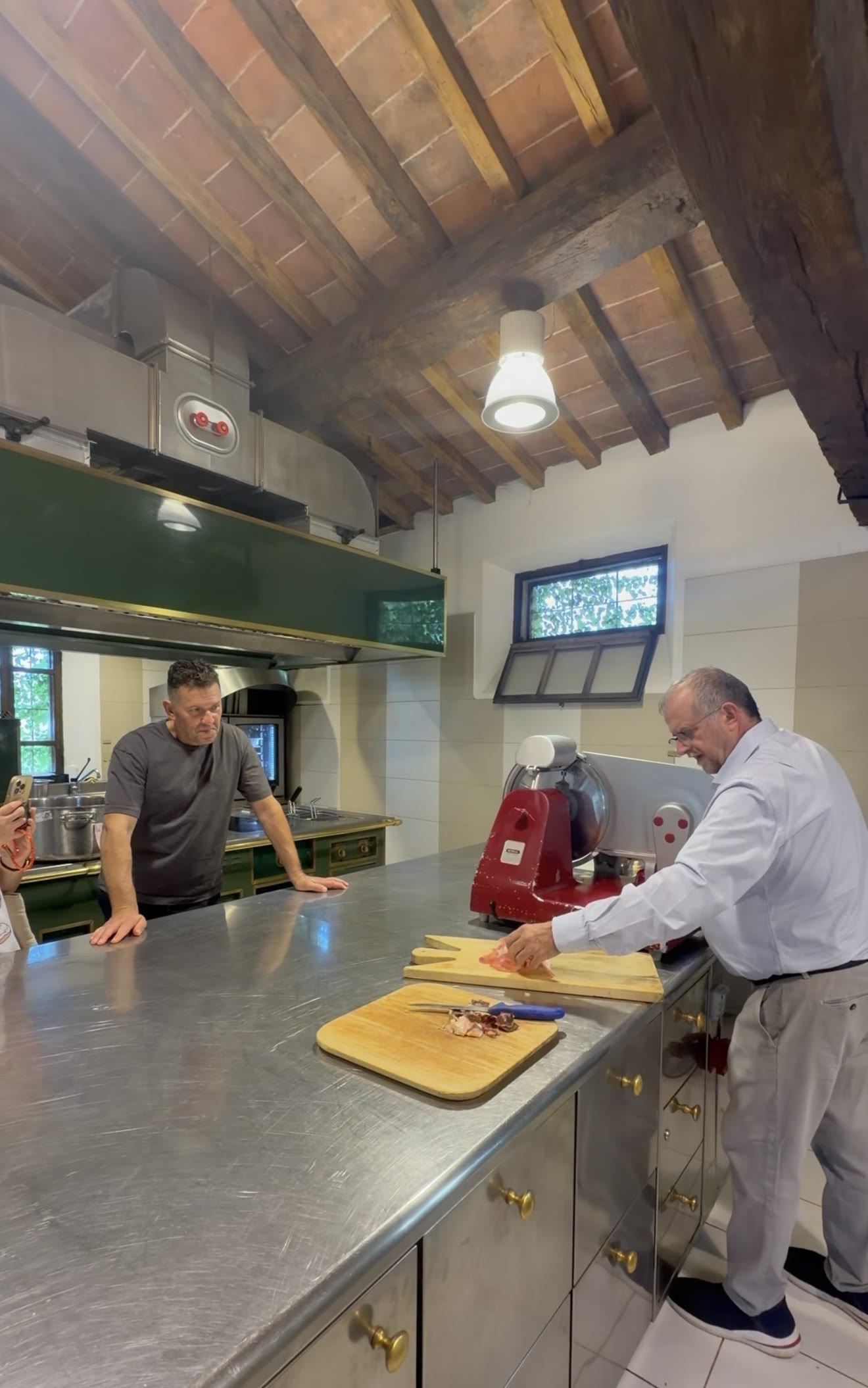
Jacob Jan Boerma cooks alongside the chef of the estate’s Michelin-starred restaurant. One menu, two kitchens behind it, and the produce of the surrounding fields on the table.
Rooms in the relais itself, in the old courtyard of the estate. Nobody drives anywhere after dinner.
Lunch in the Michelin-starred dining room in Parma, cooked for our table rather than ordered from a card.
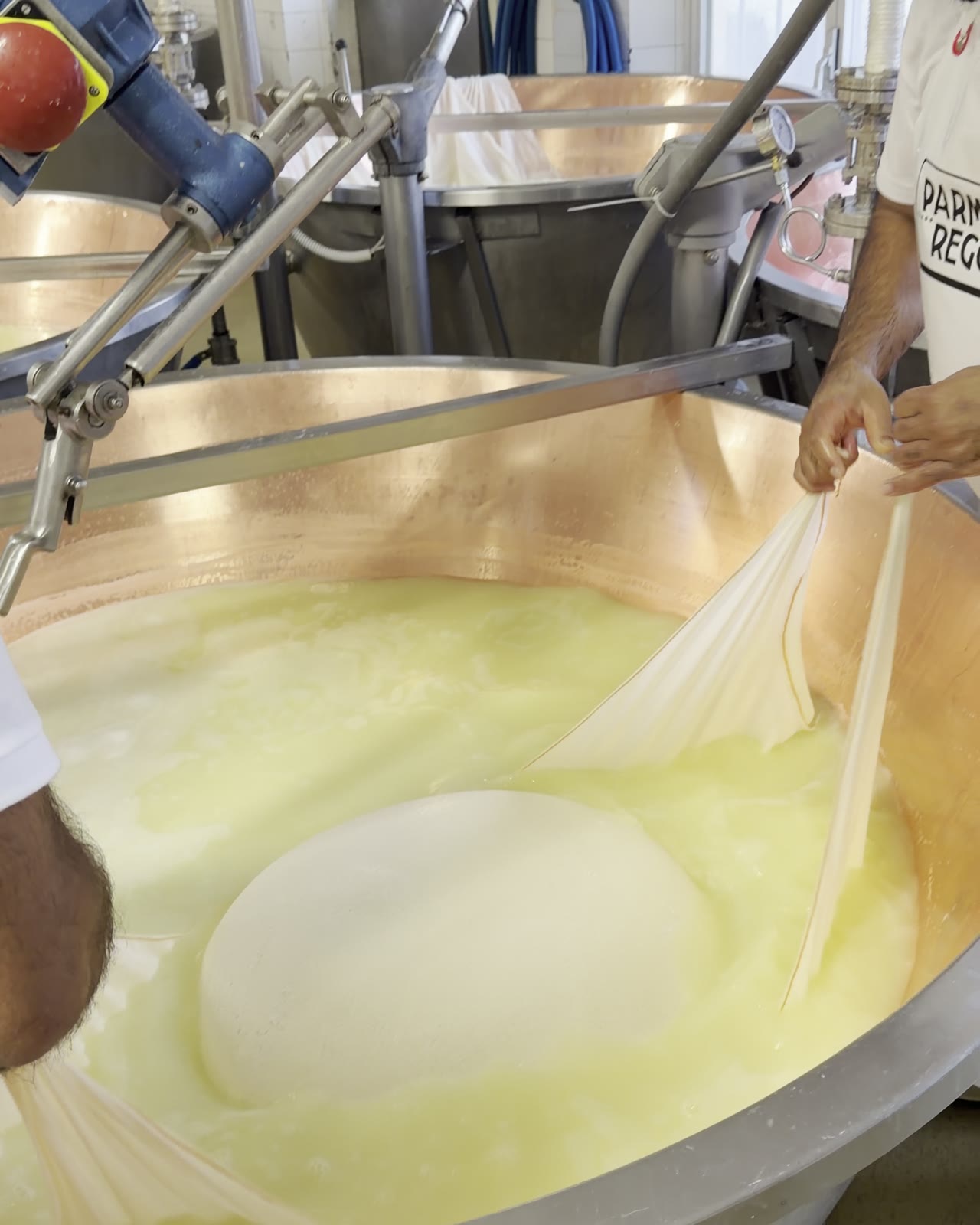
Milk arrives twice a day and the work begins before light. We stand at the copper vats as the curd is cut, gathered into cloth and lifted out in one mass. This still comes from our own visit.
The second night is spent in Parma itself, so the evening is walkable.
No ceremony on the second night. A restaurant the city keeps for itself, chosen with Jacob Jan.
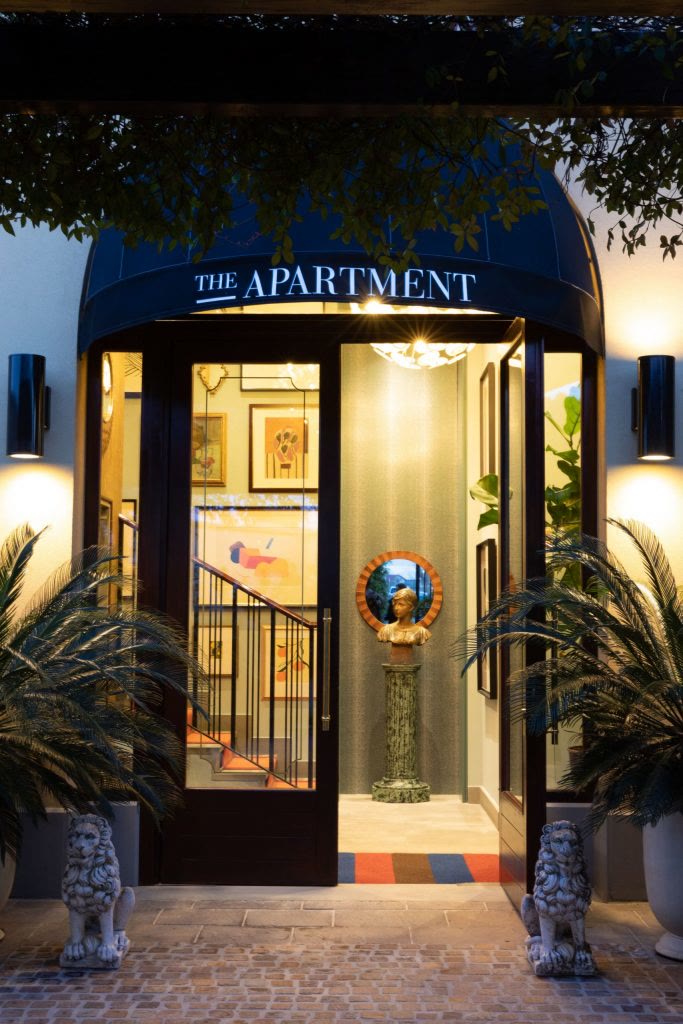
Behind an awning and two stone lions there is a house that most visitors walk straight past. Inside: painted walls, a chandelier over a green salon, and rooms arranged like someone’s home rather than a venue. It opens by arrangement only.
Hands on the work rather than a chef performing at the front of a room. What is made depends on the season and on who is in the group.
The PC-12 takes us home the same day, which is the quiet luxury of flying this way.
Jacob Jan curates this journey and travels with the group from the first morning to the last. He cooks once, at the four hands dinner, and spends the rest of the time doing the thing that is harder to buy: opening doors, and explaining what you are looking at once you are through them.
It is the difference between visiting a cellar and being taken into one.
There is no fixed departure. We hold the dates open and set them once enough of the Morii Group community wants to go, which is how a group of this size stays a group and not a tour.
Register your interest and you will be the first to hear when the dates are proposed. It commits you to nothing.
Tell us you want to come, and we will tell you the moment the dates are set.
Not a booking and not a payment. You are telling us you would like to be there, so that we know when to set the dates.
We will come back to you the moment the dates for Parma are set.
